Address
Factory-B-19, additional Midc, Yavatmal, Maharashtra, India
Work Hours
Monday to Saturday: 10 AM - 5 PM
Sunday: Closed
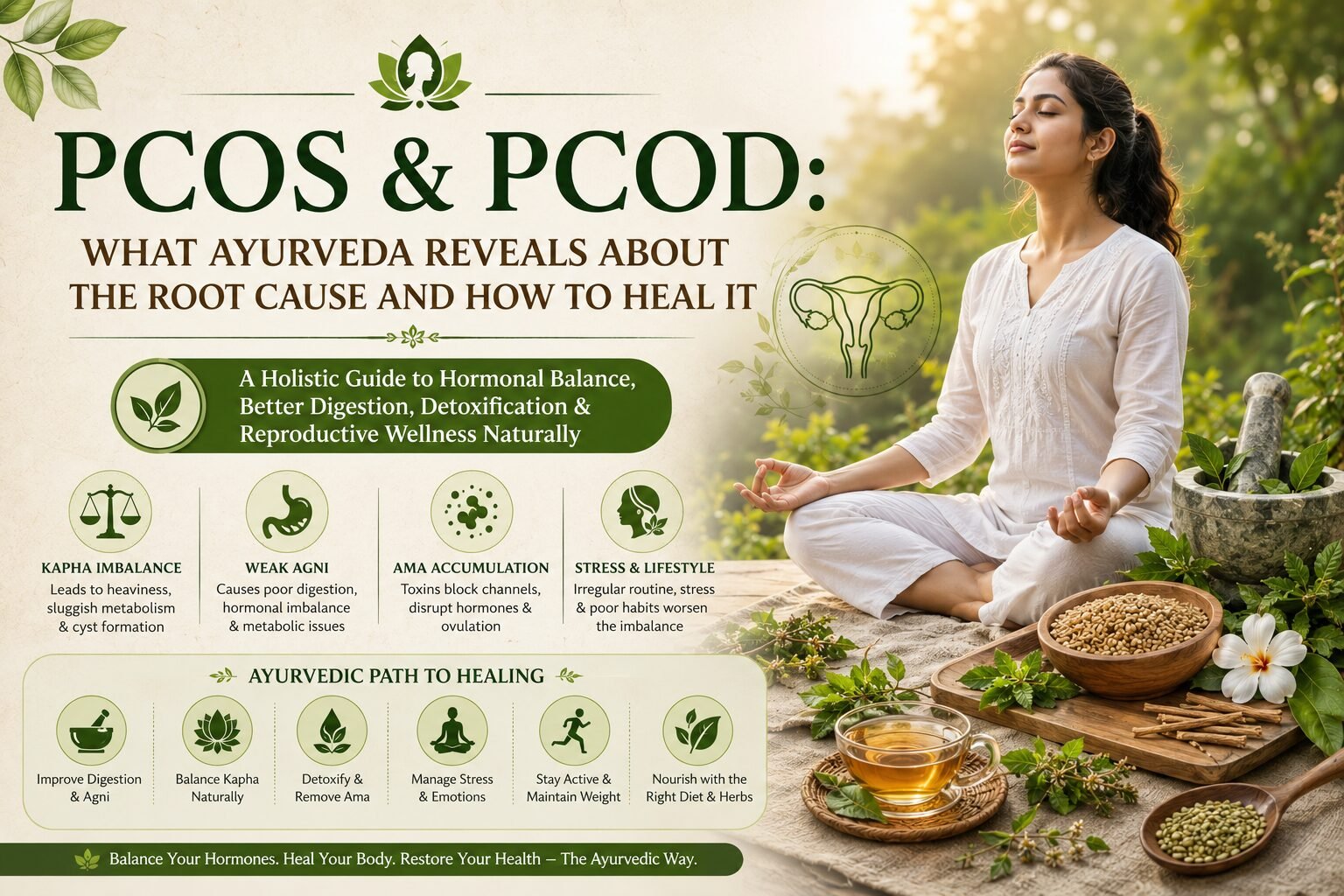
Polycystic Ovarian Syndrome, commonly referred to as PCOS or PCOD, is increasingly affecting modern women due to changing lifestyles, dietary habits, and stress levels. While conventional medicine primarily focuses on controlling symptoms such as irregular cycles, acne, and weight gain, Ayurveda takes a deeper approach by identifying and correcting the root cause of imbalance within the body.
Ayurvedic approach offers a holistic and sustainable pathway toward healing through diet, lifestyle, herbal support, and detoxification techniques.
Polycystic Ovarian Syndrome (PCOS) is a hormonal and metabolic condition affecting women of reproductive age. It is characterized by irregular ovulation, hormonal imbalance, and the presence of multiple small cysts in the ovaries. Ayurveda interprets PCOS not as a single disease but as a systemic imbalance involving doshas, digestion, and lifestyle.
Hormonal balance is not seen as an isolated system in Ayurveda. It is closely linked with digestion, liver health, and emotional stability. Improving Agni, reducing Kapha, and detoxifying Ama naturally restore hormonal rhythms without external hormonal dependency.
PCOS in Ayurveda: A Root Cause Perspective
Ayurveda views PCOS not as a single disease but because of systemic imbalance involving Kapha dosha, impaired digestion, and toxin accumulation. These imbalances disrupt the body’s natural hormonal communication and metabolic function, leading to menstrual irregularities and cyst formation.
The Role of Kapha Dosha
Kapha dosha governs structure and stability in the body. When balanced, it supports fertility and nourishment. However, excess Kapha leads to heaviness, sluggish metabolism, and blockages in the reproductive channels. This stagnation prevents proper ovulation and promotes cyst formation in the ovaries.
Agni: The Key to Metabolic Health
Agni, or digestive fire, is central to all physiological processes. When Agni is weak, digestion becomes inefficient, leading to incomplete processing of food. This contributes to metabolic dysfunction and hormonal disturbances seen in PCOS.
Ama: The Root of Toxicity
Ama refers to toxic residue formed due to poor digestion. It is dense and sticky, causing obstruction in bodily channels. In PCOS, Ama accumulates in reproductive tissues, interfering with hormonal function and leading to irregular cycles.
Symptoms Explained in the Ayurvedic Way:
Irregular periods, weight gain, acne, and excessive hair growth are understood as manifestations of internal imbalance. Ayurveda aims to restore the balance of doshas and eliminate toxins to correct these symptoms naturally.
PCOS presents through various symptoms such as irregular menstrual cycles, weight gain, acne, excessive hair growth, hair thinning, fatigue, and difficulty in losing weight. These symptoms reflect deeper disruptions in metabolism, hormonal balance, and internal detoxification processes.
Causes of PCOS by Ayurveda:
PCOS develops due to multiple overlapping factors. Hormonal imbalance leads to excess androgen production. Insulin resistance contributes to fat storage and metabolic dysfunction. Poor diet, stress, and lack of physical activity worsen the condition. From an Ayurvedic view, Kapha accumulation, weak digestion (Agni), and toxin buildup (Ama) form the root of the disorder.
How to Recover from PCOS
Recovery from PCOS requires a consistent, multi-dimensional approach. Focus on improving digestion, reducing toxin load, maintaining a disciplined lifestyle, and engaging in regular physical activity. Herbal support, balanced nutrition, stress management, and proper sleep are essential pillars of healing. Over time, the body gradually restores hormonal balance and reproductive function.
Recovery from PCOS is not about short-term treatment but about creating long-term balance in the body. Ayurveda emphasizes a step-by-step approach to healing by addressing the root causes rather than just symptoms.
The first step in recovery is improving Agni, or digestive fire. Strong digestion ensures proper metabolism, nutrient absorption, and hormonal regulation. This can be supported through warm, freshly cooked meals and digestive spices such as ginger and cumin.
Kapha reduction is essential to prevent heaviness, sluggish metabolism, and cyst formation. This involves adopting a lighter diet, engaging in regular physical activity, and avoiding heavy, oily, and sugary foods.
Removing toxins or Ama is critical for restoring hormonal pathways. Detox methods include Panchakarma therapies like Virechana and daily practices such as warm water consumption and herbal teas.
A disciplined lifestyle supports hormonal balance. Waking up early, eating meals at fixed times, and maintaining proper sleep patterns help regulate the body’s internal clock and endocrine function.
Emotional health plays a vital role in recovery. Chronic stress impacts hormonal balance significantly. Practices such as meditation, deep breathing, and mindful relaxation help calm the nervous system.
Regular exercise improves metabolism, reduces insulin resistance, and helps balance hormones. Activities such as yoga, walking, and light workouts are highly beneficial.
Ayurvedic healing works gradually by correcting the root imbalance. With consistency in diet, lifestyle, and mental well-being practices, the body naturally returns to balance.
Ayurvedic Diet for PCOS
What to Eat
A Kapha-balancing diet includes warm, light, and easily digestible foods. Vegetables, legumes, whole grains like millets, and spices such as ginger and turmeric enhance metabolism and reduce heaviness.
What to Avoid
Cold foods, refined sugars, fried items, and excessive dairy aggravate Kapha and should be minimized to prevent further metabolic slowdown.
Lifestyle Changes for Hormonal Balance
Regular physical activity, proper sleep cycles, and a structured routine are essential for restoring balance. Yoga, breathing exercises, and walking improve circulation and support hormonal regulation.
Hormonal Balance in PCOS
Hormonal imbalance is at the heart of PCOS. Ayurveda does not isolate hormones as separate entities but understands them as outcomes of internal balance. When metabolism is efficient and toxins are minimal, hormonal systems function naturally.
Strong digestion is essential for hormonal health. When Agni is weak, nutrients are not properly assimilated and toxins begin to accumulate. This interferes with hormone production and regulation, leading to symptoms such as irregular cycles and fatigue.
Excess Kapha leads to heaviness, sluggish metabolism, and fluid retention. These qualities contribute to cyst formation and interfere with ovulation. Reducing Kapha helps restore hormonal flow and balance.
Ama acts like a sticky substance that blocks pathways in the body. When it accumulates in reproductive tissues, it disrupts hormonal signaling, leading to irregular menstruation and metabolic dysfunction.
From an Ayurvedic standpoint, the liver plays a crucial role in hormone regulation. Supporting liver function through proper diet and detox practices helps maintain stable hormone levels.
Mental stress significantly impacts hormonal balance. Ayurveda emphasizes practices such as meditation, breathing exercises, and a calm lifestyle to stabilize the mind and support endocrine health.
Improving hormonal balance requires a holistic approach. This includes maintaining a consistent routine, eating warm and nutritious meals, avoiding processed foods, exercising regularly, and managing stress effectively.
Ayurvedic Herbal Support
Herbal formulations such as Kanchanar Guggulu, Ashokarishta, and Triphala are often used to support healing by improving digestion, reducing cyst growth, and balancing hormones when prescribed appropriately.
Detox Methods in Ayurveda
Detoxification is one of the most powerful tools in Ayurveda for addressing the root cause of PCOS. It focuses on removing accumulated toxins (Ama), improving metabolic activity, and restoring balance to the doshas.
Virechana is a controlled cleansing process that removes toxins from the liver and digestive tract. It helps regulate hormones, improve skin health, and reduce metabolic congestion associated with PCOS.
Basti therapy nourishes and balances Vata while helping detox the lower abdomen. It plays a significant role in improving reproductive health and supporting hormonal balance.
Udvartana is a specialized massage using herbal powders aimed at reducing Kapha and body fat. It improves circulation, breaks down fat deposits, and reduces heaviness.
Daily detox practices, such as consuming warm water, herbal teas with ginger and cinnamon, and Triphala at night, support the body’s natural cleansing process.
Eating light, warm meals and avoiding toxins in food is a gentle and sustainable form of detox. This includes reducing processed food and focusing on fresh, seasonal ingredients.
Daily Routine for PCOS (Ayurvedic Dinacharya)
A structured daily routine is essential for balancing hormones and metabolism.
Morning Routine
Wake up early before sunrise. Start the day with warm water and lemon or ginger infusion. Engage in light exercise, yoga, or stretching to activate metabolism.
Day Routine
Eat meals at fixed times. Include balanced, warm food during lunch. Stay hydrated and avoid excessive snacking. Maintain physical activity such as walking.
Evening Routine
Have a light dinner before 8 PM. Focus on relaxation, light stretching, or meditation to calm the nervous system.
Night Routine
Sleep early to support hormonal repair. Avoid screens before bedtime and allow the body to rest deeply.
Mental and Emotional Healing
Stress and emotional imbalance contribute significantly to PCOS. Ayurveda emphasizes meditation, mindfulness, and maintaining a positive mental environment to support hormonal health.
Lifestyle and Emotional Health
Stress management is crucial in PCOS. Practices such as meditation, breathing exercises, and maintaining a balanced work-life routine contribute significantly to healing.
Yoga Poses for PCOS
Yoga plays a significant role in improving hormonal balance. Recommended poses include Surya Namaskar, Bhujangasana, Setu Bandhasana, and Dhanurasana. These postures improve circulation and stimulate endocrine function.
Panchakarma Therapies for PCOS
Panchakarma is the cornerstone of Ayurvedic detoxification. Virechana therapy helps cleanse the digestive system and liver, improving hormonal regulation. Basti therapy, involving medicated enemas, supports reproductive health and balances Vata, which governs movement and hormonal communication. Udvartana, a dry herbal powder massage, helps reduce Kapha, improves circulation, and aids in fat metabolism.
Conclusion: A Holistic Healing Path
Medical Disclaimer: The information presented in this blog is for educational and informational purposes only and should not be considered medical advice, diagnosis, or treatment.
CONCLUSION: Looking Ahead, Closing Remarks with Solution
PCOS recovery is achievable with a holistic and disciplined approach. Ayurveda offers a powerful framework by addressing digestion, detoxification, lifestyle, and emotional health. By committing to these principles, individuals can experience long-term healing and improved overall well-being.
Managing complex women’s health conditions like PCOD, PCOS, and Premenstrual Syndrome (PMS) requires a holistic approach that targets root hormonal imbalances. Formulated with potent Ayurvedic herbs, Whitocon Syrup provides deep, natural support to restore reproductive wellness and cycle predictability.
At the core of this formula, Bala Root and Kapas Root work dynamically to regulate fluctuating hormones, smooth out irregular periods, and significantly reduce painful menstrual cramps. To combat the unique anatomical challenges of PCOD and PCOS, Babool Bark delivers vital anti-inflammatory and astringent properties that aid in managing ovarian symptoms while naturally toning the vaginal walls.
Furthermore, the blend proactively shields against secondary vulnerabilities that frequently disrupt daily life. Neem Bark and Daru Haldi Root provide robust antimicrobial defence to prevent painful UTIs and abnormal white discharge, while Ashok Bark strengthens the uterus to control excessive bleeding.
By integrating these pure botanical extracts into your routine, you can finally break free from the frustrating cycle of mood swings, fatigue, and pelvic discomfort. Reclaiming your endocrine health with this natural formula paves the way for heightened daily energy, comfortable intimate relationships, and a lasting sense of physical and emotional well-being.
Assicon Syrup helps manage PCOS through targeted Ayurvedic actions:
The Whitocon and Assicon Syrup Combi Pack provides a comprehensive, dual-action Ayurvedic approach to managing PCOD and PCOS by targeting both hormonal imbalances and reproductive symptoms:
Together, this herbal synergy helps restore a predictable menstrual cycle, boosts daily energy levels, and improves overall physical and emotional well-being.
Medical Disclaimer: The Whitocon and Assicon Syrup Combi Pack is an Ayurvedic dietary supplement designed to support reproductive wellness; it is not a medical cure for PCOD or PCOS. Always consult your gynecologist or healthcare professional before starting any new health regimen.
🌸 Understanding PCOD: Frequently Asked Questions
Q1: What exactly is PCOD?
A: PCOD (Polycystic Ovarian Disease) is a common hormonal condition where a woman’s ovaries release immature or partially mature eggs, which eventually turn into small cysts. This often leads to enlarged ovaries and an overproduction of male hormones (androgens), disrupting the normal menstrual cycle.
Q2: What are the most common symptoms of PCOD?
A: Symptoms can vary from person to person, but the most frequent signs include:
Q3: Is PCOD the same as PCOS?
A: Not quite. While they sound similar, PCOD is a metabolic imbalance that is highly common and can often be managed effectively through diet and lifestyle changes. PCOS (Polycystic Ovary Syndrome) is a more severe endocrine disorder that involves deeper metabolic complications and fewer eggs being released.
Q4: Can natural remedies or Ayurveda help manage PCOD?
A: Yes! Ayurveda focuses on restoring hormonal equilibrium and cleansing the reproductive system naturally. Time-tested botanical extracts help regulate the menstrual cycle and soothe ovarian inflammation without synthetic chemicals.
For instance, the Whitocon and Assicon Syrup Combi Pack combines specialized herbs to target PCOD symptoms holistically:
Q5: What lifestyle changes should I make if I have PCOD?
A: A holistic approach is the best way to reclaim your health. Focus on:
⚠️ Medical Disclaimer: PCOD requires a personalized approach. While natural Ayurvedic supplements like the Whitocon and Assicon Syrup Combi Pack offer excellent reproductive and hormonal support, they are dietary supplements and not a substitute for a professional medical diagnosis or treatment plan. Always consult your gynaecologist before introducing a new supplement to your routine.
📚 References & Scientific Literature
Disclaimer: The information presented in this blog is for educational and informational purposes only and should not be considered medical advice, diagnosis, or treatment. While natural Ayurvedic supplements like the Whitocon and Assicon Syrup Combi Pack offer excellent herbal support for reproductive wellness, they are dietary supplements and not a substitute for professional medical care. Always consult your gynecologist or a qualified healthcare provider before starting any new health regimen or treating medical conditions like PCOD, PCOS, or PMS.