Address
Factory-B-19, additional Midc, Yavatmal, Maharashtra, India
Work Hours
Monday to Saturday: 10 AM - 5 PM
Sunday: Closed
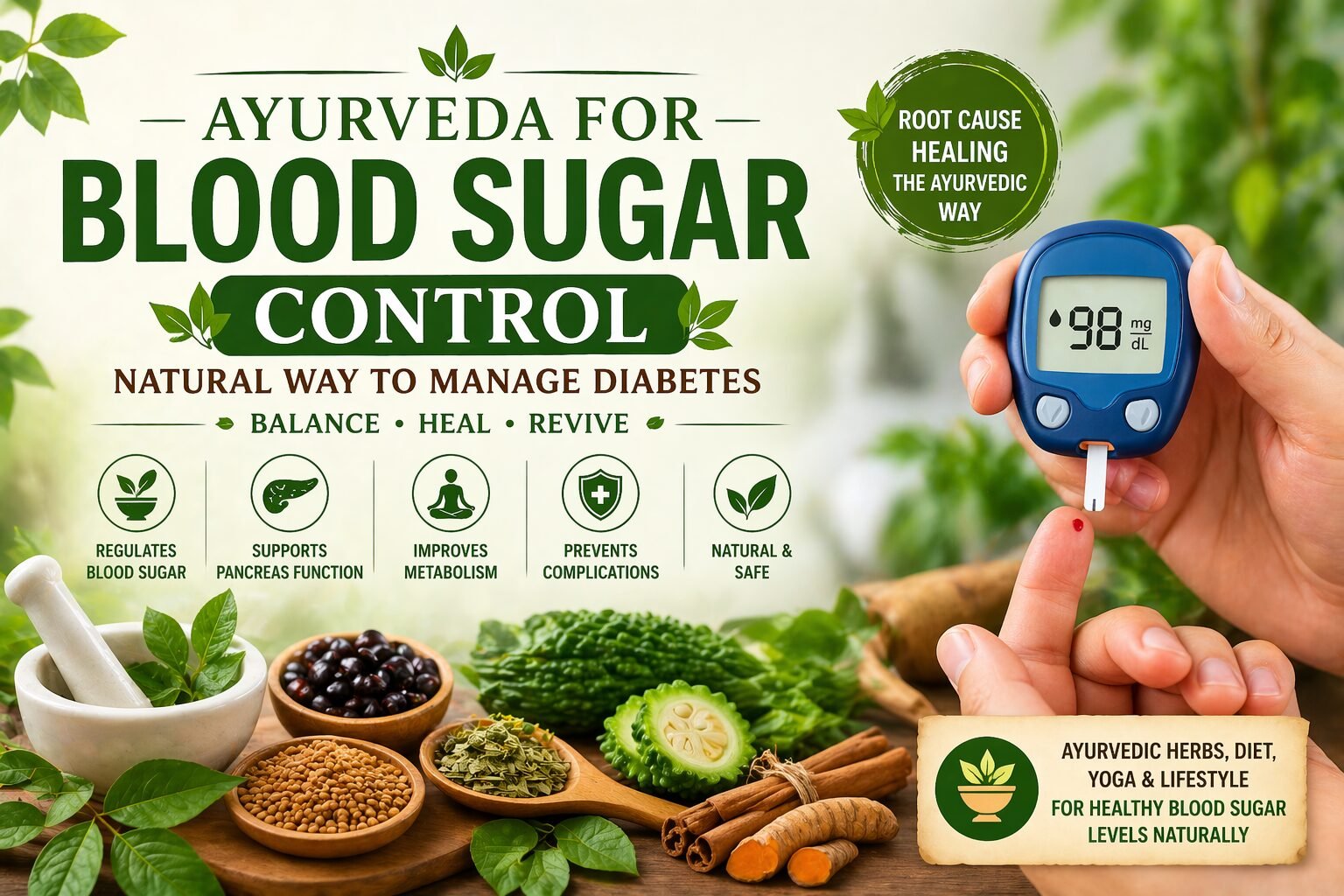
Ayurveda doesn’t just drop your blood sugar — it actually goes after the real reasons behind diabetes. It helps in blood sugar control by addressing the root causes of diabetes, rather than only lowering glucose levels temporarily.
According to Ayurveda, high blood sugar develops due to weak digestion, imbalance of Kapha dosha, accumulation of toxins, and poor tissue metabolism. Ayurvedic treatment works by strengthening digestive fire, improving insulin sensitivity, and restoring proper metabolism at the tissue level. Herbal medicines with bitter and astringent properties help regulate glucose absorption, support pancreatic function, and reduce insulin resistance, while herbs help protect organs from long-term diabetic damage.
Along with medicines, Ayurveda emphasizes personalized diet, regular physical activity, proper sleep, stress management, and daily routines, which together stabilize blood sugar levels naturally and sustainably. This holistic approach not only helps maintain controlled sugar levels but also reduces complications and improves overall metabolic health. Blood sugar levels can increase or decrease for many reasons.
Eating habits are most responsible for high blood sugar. Eating sugar or carbohydrates such as rice, bread, sweets, soft drinks in large portion sizes frequently.
Lack of physical activity like not exercising regularly and sitting for long hours causes insulin resistance.
Emotional stress such as worries, anger, anxiety causes imbalance of sugar levels. Stress hormones raise blood sugar levels.
Some medicines raise blood sugar, such as steroids, and certain blood pressure medicines
and some psychiatric medications.
Due to hormonal changes in thyroid disorders and Polycystic Ovary Syndrome (PCOS) sugar levels can be increased.
Irregular sleep patterns are responsible for high blood sugar.
Skipping Meals, long gaps between meals and fasting without medical advice can lower blood sugar.
Excess use of insulin or high dose of oral diabetes drugs lower blood sugar levels drastically.
Heavy exercise without eating, especially in people with diabetes, lower blood sugar levels.
Drinking alcohol on an empty stomach lower blood sugar level.
and headaches appear.
Recognizing these symptoms early is important because prolonged high blood sugar can damage organs over time, while low blood sugar can quickly become a medical emergency if not treated promptly.
Ayurveda helps in managing blood sugar by
Instead of only lowering glucose numbers, Ayurveda focuses on treating the root cause of imbalance in the body.
In Ayurveda, high blood sugar means Madhumeha. Madhumeha is caused by imbalance of Kapha dosha, weak digestion and improper metabolism.
Ayurvedic treatment works in several ways:
Ayurvedic herbs such as Gudmar (Gymnema sylvestre- Sugar destroyer) help reduce sugar cravings, Karela supports insulin action, Jamun seed helps slow sugar release into the blood, Fenugreek improves glucose tolerance, and Turmeric reduces inflammation and insulin resistance.
Ayurveda also emphasizes routine and discipline such as waking up early, eating meals on time mentioned in Ayurvedic Dincharya,
Avoiding late-night eating and sleeping well, which greatly impacts sugar control.
Yoga and Pranayama, such as Surya Namaskar, Kapalbhati and Anulom Vilom help by reducing stress hormones that raise blood sugar.
Ayurveda can be very effective in early stages and prediabetes and as a support therapy in diabetes. However, it should be used under the guidance of Ayurveda experts.
Ayurveda uses herbs that help improve insulin sensitivity and glucose metabolism.
Bael fruit is basically an antioxidant beast. It helps your body use insulin better and keeps blood sugar more stable, so you don’t get those crazy spikes after eating. It also helps your cells actually absorb glucose the right way.
It also Known as sugar destroyer. It helps to reduce sugar absorption in the intestine. It helps control sugar cravings. Improves insulin activity. It reduces sugar cravings and intestinal sugar absorption.
It acts like natural insulin. It lowers fasting and post-meal sugar. It improves glucose uptake by cells. It helps lower fasting and post-meal blood sugar.
It improves insulin response. It slows conversion of starch into sugar. It helps to improve insulin sensitivity. It is useful for frequent urination and thirstiness. It helps digestion and improves glucose metabolism
It slows carbohydrate absorption. It is high in soluble fiber. It slows carbohydrate digestion.
It helps lower post-meal sugar spikes.
Wad bark comes to the rescue for high sugar. It works by putting the brakes on sugar-raising enzymes and helping your pancreas do its job — making insulin properly.
This herb is pretty impressive — it helps your body fight insulin resistance and actually use glucose better. Plus, it looks after your pancreatic beta cells and might even help them regenerate, so your body can pump out insulin more smoothly.
Umber bark is packed with bioactive compounds that help your body respond to insulin better and soak up glucose more efficiently. On top of that, its antioxidants step in to protect your pancreatic cells.
Traditionally, Ayurveda uses Babul bark for blood sugar support. It tells your pancreas to release insulin and helps your body actually listen to it — double win for steady sugar levels.
Ayurveda focuses on food as medicine. Eating according to prakriti (body type) is strongly emphasized.
Choose Low-Glycemic foods. These foods raise blood sugar slowly and steadily.
Whole grains such as millets, barley, oats in small portions. These millets can be eaten in various forms like bhakri, dosa and malt.
Add vegetables such as leafy greens, gourds, beans, cauliflower add into diet for better results.
Eat pulses like lentils, chickpeas, rajma. Add nuts & seeds in limited quantity into your diet.
Try to avoid white rice, bread, sugary foods, sweets, and bakery items. Carbohydrates are needed but in right type and right amount. Prefer complex carbs with fiber.
Make plate rule which contains half plate is vegetables, one fourth plate is protein, and one fourth plate is whole grains.
Eat Adequate Protein at Every Meal. Protein slows sugar absorption. Add protein sources such as dals, beans, sprouts, paneer in limited portion, eggs, and fish.
Increase Fiber Intake. Fiber reduces glucose absorption. Add high fiber food into your diet sch as vegetables especially bitter and green, salads, methi, flaxseed, chia seeds and whole fruits, not juice.
Choose Healthy Fats in small amounts. Healthy fats improve insulin sensitivity. Try to add mustard oil, groundnut oil, and coconut oil to limited portions. Add half tablespoon of ghee daily into your diet.
Take warm water with small portions of soaked nuts or methi seeds.
Eat vegetable upma or oats or millet poha or millet dosa. Vegetable omelet is also good option for breakfast.
Eat any fruit like guava or apple for mid-morning hunger.
Eat one or two rotis of millet or wheat with dal or beans, big bowl of vegetables and Salad. Sometimes add brown rice for a little portion.
Eat snacks like roasted chana or nuts. Drink green tea.
Eat vegetables with protein or soup. Avoid rice at night.
Remember, Diet is the most important foundation for controlling diabetes and preventing complications. The goal is not starvation or extreme restriction, but stable, slow release of glucose, improved insulin sensitivity, and overall metabolic balance.
Daily routine plays a major role in blood sugar balance. A healthy lifestyle is just as important as diet and medicines for long-term blood sugar control.
Daily Physical Activity is most important. Walk thirty to forty minutes daily. Or can split fifteen minutes’ walk after every meal. Post-meal walking is especially powerful for sugar control.
Add strength to your body. Do body weight exercises twice a week. Due to exercises- calories burns which lowers sugar levels naturally. Avoid Sitting continuously for more than one hour
Sleep seven to eight hours every night. Fixed sleep & wake timings. Poor sleep increases insulin resistance, stress hormones, sugar cravings. Try to do dinner at least two to three hours before bedtime. Avoid sleeping during day.
Stress directly raises blood sugar via cortisol. Management of stress hormones is very important for blood sugar control.
Avoid Harmful Habits such as smoking and consumption of alcohol. It increases the risk of heart and nerve damage.
Fixed your daily routine with exercise and food habits.
Make sure sunlight exposure for Vitamin D. Keep body hydrated. Maintain personal hygiene and foot care.
Do regular medical checkups.
Prefer to eat warm and freshly cooked food always. Avoid cold, frozen, and processed foods. Avoid excess use of caffeine.
Avoid chronic stress cycles such as overthinking, irregular routine.
In many people, consistent lifestyle habits can significantly improve sugar levels, insulin sensitivity, energy, and prevent complications.
Certain yogic practices improve glucose metabolism and insulin sensitivity. Yoga helps in blood sugar control by working on multiple root causes of diabetes. It reduces stress hormones, enhances digestive and metabolic function, and supports the pancreas and liver which are crucial for long-term glucose balance.
Following are some yoga practices – asanas that play important role in controlling sugar levels.
Yoga practices reduce stress hormones and improve pancreatic function. It calms the nervous system. It helps to lowers cortisol levels. It enhances metabolism and promotes healthy lifestyle habits. Do yoga practice early in the morning on empty stomach at least four after meals.
Pranayama directly impacts glucose metabolism. Pranayama helps regulate blood sugar levels mainly by acting on the nervous system, hormones, digestion, and insulin sensitivity. Pranayama works from the inside.
Some pranayama as follows:
Meditation & Mindfulness reduces emotional eating and improves hormonal balance, stress-related sugar spikes.
The human body already has a highly effective detox system.
Panchakarma
Panchakarma can support metabolic balance, including blood sugar regulation.
In some cases, Ayurveda recommends controlled detox therapies.
It removes accumulated toxins and improves metabolism. It enhances response to medicines.
Panchakarma must be done only in a qualified Ayurvedic center.
Swashri Ghorpade
Certified Maternal & Child Nutritionist & Yoga Expert
20-04-2026, Monday
Ujwala Ayurvedashram presents Bet Capsules for Diabetics. (Source: Ujwala Ayurvedashram Official Website)
BET Capsules, the Ayurvedic Powerhouse! For Madhumeha
BET Capsules are the new revolution in Madhumeha management. Ditch the needles and restrictions, and embrace a natural path to a healthier you.
For years, managing Madhumeha has meant needles, medications, and constant monitoring. But what if there was a better way? A natural way? Introducing BET Capsules, the revolutionary Ayurvedic breakthrough that’s taking the Madhumeha world by storm!
The Power of Ancient Wisdom, Unveiled:
BET Capsules harness the power of age-old Ayurvedic wisdom, meticulously crafted with a unique blend of potent herbs. Each capsule is packed with nature’s finest ingredients, traditionally known for their blood sugar supporting properties: