Address
Factory-B-19, additional Midc, Yavatmal, Maharashtra, India
Work Hours
Monday to Saturday: 10 AM - 5 PM
Sunday: Closed
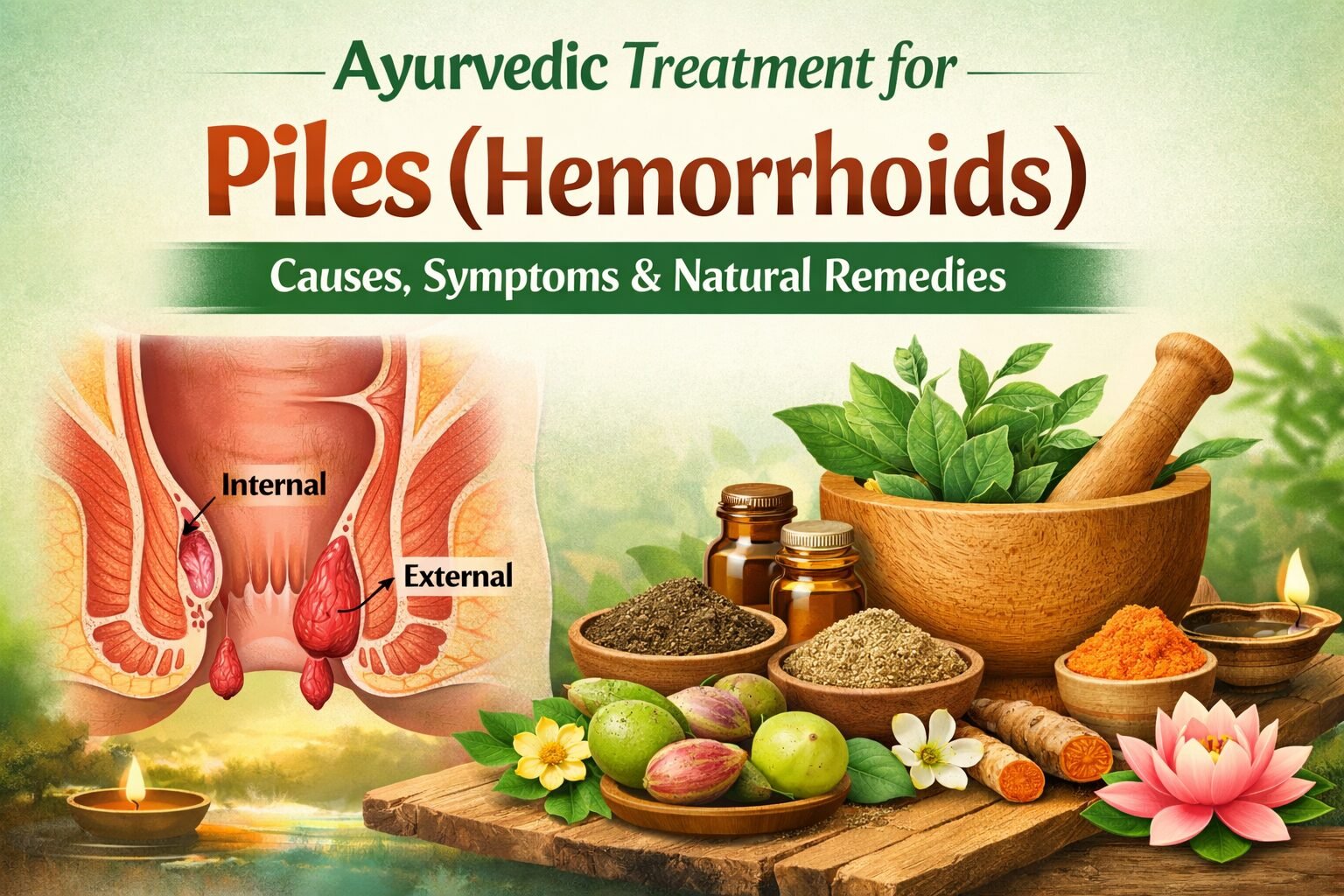
Piles are also called hemorrhoids, in which swollen and inflamed veins located in or around the rectum and anus. These veins may enlarge due to pressure, irritation, or straining, which leads to pain, itching, discomfort, or bleeding during bowel movements.
Table of Contents
Internal piles are swollen veins inside the rectum, usually located above the dentate line.
They are like varicose veins but occur inside the anal canal. They are covered by mucosa. They usually do not cause pain, especially in early stages.
Internal piles are classified into four grades:
Grade 1 internal piles are the earliest and mildest form of internal hemorrhoids. They involve small and swollen veins inside rectum. Usually prolapse are not visible swelling from outside. They are located above the dentate line, which is why they are usually painless. It causes painless bleeding.
Grade 2 internal piles are moderately enlarged hemorrhoidal veins located inside the rectum, which prolapse during bowel movements but go back inside on their own without manual assistance. They are more advanced than Grade 1 but less severe than Grade 3 and Grade 4.
Grade 3 internal piles are moderately to severely enlarged internal hemorrhoids that prolapse outside the anus during bowel movements or straining and do NOT go back inside on their own. They must be manually pushed back into the anal canal. They are more advanced than Grade 1 and 2, but less severe than Grade 4.
Grade 4 internal piles are the most severe and advanced stage of internal hemorrhoids.
They involve large, swollen internal veins that are permanently prolapsed. They remain outside the anus all the time and cannot be pushed back inside, even manually. These hemorrhoids require urgent medical attention and usually surgical treatment.
Bright red blood during stool
Mucus discharge
Feeling of incomplete bowel movement
Painless swelling inside the rectum
Lumps coming out during stool
External piles are swollen veins located under the skin around the anus, specifically below the dentate line. These are covered by skin, which contain pain receptors. External piles can be painful, especially if complications occur. Due to irritation of the skin and mucus leakage, itching may occur.
Most cases improve with home treatments, but thrombosed external piles may need minor procedures for fast relief.
Painful swelling or lump near the anus
Pain while sitting or passing stool
Itching and irritation while sitting
Bleeding during wiping or bowel movements
Tenderness around the anus
Moisture or mucus leakage
Sudden severe pain
Hard lump outside anus
Swelling & bluish color near the anus
Difficulty in sitting or walking
Constipation is one of the major causes of piles, mainly because it leads to straining.
Chronic Constipation
Hard stools make bowel movements difficult
You push harder which increases the pressure on rectal veins
This pressure causes veins to swell, leading to hemorrhoids
Straining During Bowel Movements
Straining significantly increases pressure inside the lower rectum
This is one of the leading causes of piles
Low-Fiber Diet
Low fiber diet is always responsible for hard stools which cause constipation with staining
This cycle increases the likelihood of hemorrhoids
Holding Stool
Delaying bowel movements causes more water absorption in the colon
Stools become drier and harder to pass causes more straining
Prolapsed Hemorrhoids Can Worsen Constipation
Larger internal piles can obstruct stool passage which worsens constipation in a loop
A sedentary lifestyle, long hours of sitting or inactivity plays a major role in piles.
Prolonged Sitting
Sitting too long increases pressure on the anal and rectal veins
This makes veins swell, promoting hemorrhoids
Sitting on the Toilet for Long Periods
The toilet seat opening and gravity puts even more pressure on the rectal veins
This worsens swelling and irritation
Lack of Physical Activity
Low movement slows digestion which increases constipation risk
Poor circulation contributes to vein swelling
General Sedentary Lifestyle Risk
Sedentary habits are recognized as a clear risk factor for hemorrhoids
Main reason behind various types of piles is the veins in the rectum or anus become swollen due to pressure, straining, or poor bowel habits. In chronic constipation, hard stools and difficulty passing stools force you to strain. This increases pressure on rectal veins and causes swelling. Pushing too hard during toilet use is one of the biggest causes of piles. Hence staining during bowel movements occurs.
Frequent loose motions also irritate and inflame rectal veins which cause chronic diarrhea. Sitting for long periods on the toilet increases pressure on the anal blood vessels and can lead to hemorrhoids. Low-fiber diet means a diet lacking fruits, vegetables, and whole grains that cause constipation and hard stools.
Obesity increases pressure on pelvic and rectal veins. During pregnancy hormonal changes relax blood vessels. The growing uterus adds pressure on veins. Hence piles more common in pregnant women. Lifting heavy weights repeatedly increases abdominal pressure, leading to swelling of rectal veins. An inactive lifestyle slows digestion, leading to constipation and increased pile risk. Some people inherit weak vein walls, which cause piles. Dehydration makes stools hard and difficult to pass. Poor digestion leads to toxin which causes constipation. Tissues around the anus weaken with age, which causes piles.
In Ayurveda, Arsha refers to swollen, engorged, painful masses in the anal region, equivalent to piles/hemorrhoids.
Ayurveda describes Arsha as one of the most distressing diseases because it affects both food intake and elimination. Arsha is the result of veins and tissues in the anal canal becoming swollen, protruding, and painful.
Agnimandya
Due to poor digestion, forms of toxins which block anal vessels occur swelling at anus
Vata Prakopa
Vata is the primary dosha responsible for Arsha
Pitta Aggravation
Due to pitta aggravation bleeding piles, burning, inflammation, heat sensation in anus occurs
Kapha Aggravation
Kapha aggravates mucus discharge, heaviness, soft, bulky swelling
Vataja Arsha
Dry, hard stools, severe pain, rough swelling, and constipation
Pittaja Arsha
Bright red bleeding, burning sensation, heat aggravation, red inflamed swelling
Kaphaja Arsha
Pale bulky swelling, mucus discharge, heaviness
Sannipataja Arsha
All three doshas aggravated, severe symptoms
Raktaja Arsha
Excessive bleeding occurs
Sahaja Arsha
Inherited weak vein walls
Pain during defecation
Bleeding during wiping or bowel movements
Swelling at anal region
Itching and irritation while sitting
Mucus discharge
Feeling of incomplete evacuation
Triphala is one of the most important Ayurvedic formulations for piles. It is made of:
Haritaki helps to improve bowel movements
Bibhitaki removes accumulated waste
Amalaki provides lubrication and moisture
Triphala is described as Rasayana. It rejuvenates the digestive system, cleanses the colon, and balances the doshas. It helps to soften stool and relieve constipation. It clears aama gently and reduces pain and pressure on pile masses.
Dosage:
Take one tablespoon at night with warm water
Take half tablespoon if stools become too loose
Tablets: one or two at night, under expert guidance
Haritaki lubricates the intestine, reduces dryness, and supports smooth evacuation. It treats the root cause: constipation and Vata imbalance. It reduces pain, inflammation, and supports healing.
Dosage:
Half or one tablespoon with warm water at night
Nagkesar is useful for bleeding piles and inflammation. It helps reduce bleeding, strengthens blood vessels, and controls pitta.
Common formulations:
Kankayan Vati
Arshoghni Vati
Ayurveda focuses on root cause removal rather than temporary relief. Many cases of piles can be cured without surgery.
Swashri Ghorpade
Maternal & Child Nutritionist
18 March 2026
For centuries, anorectal lumps have been a source of discomfort. The Pymol & Livcon combi pack represents a combination of Ayurvedic wisdom and modern research.
Pymol capsules target inflammation and digestion
Livcon supports liver function and overall digestion
This combination provides long-term relief and prevention.
2 Capsules Livcon & 2 Capsules Pymol
Twice a day, 15–20 minutes before each meal
Consult doctor or Ujwala Ayurvedashram expert
📞 9767955885